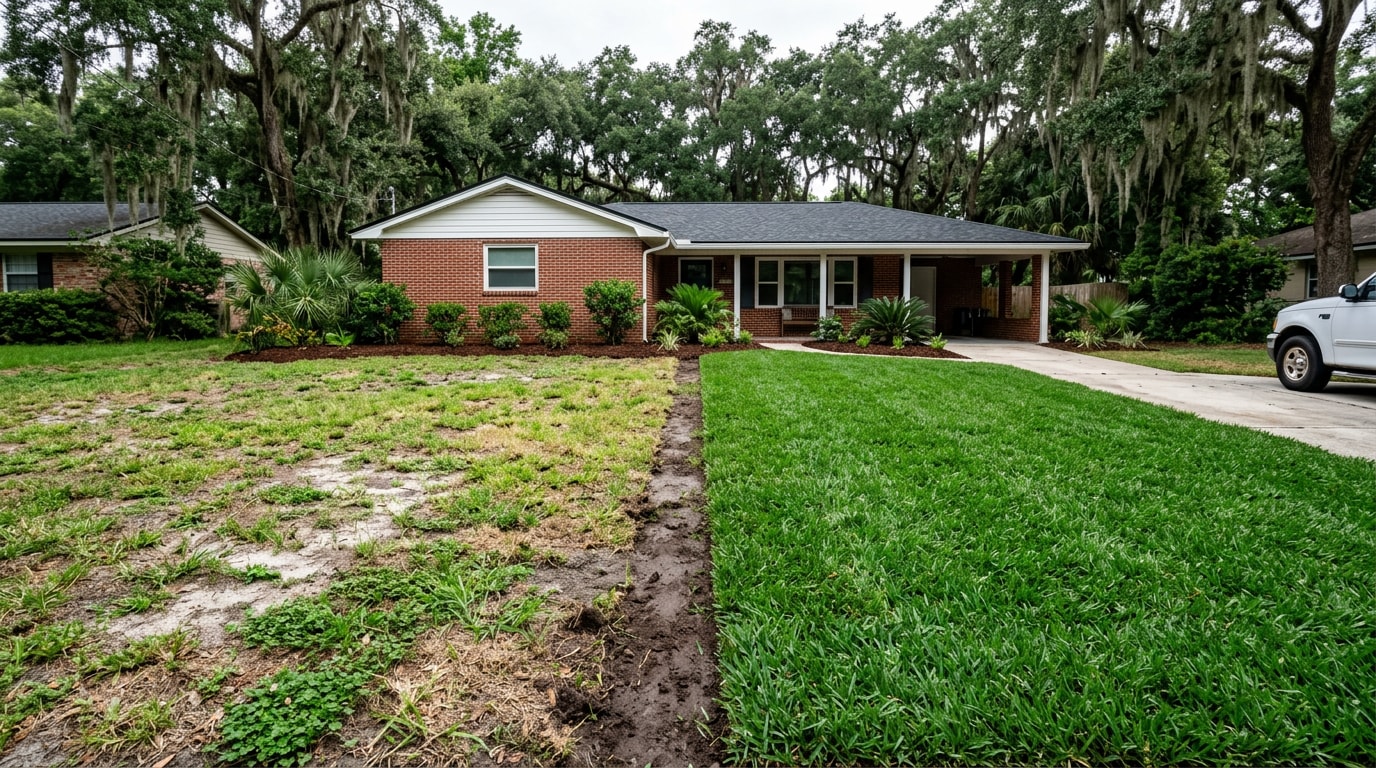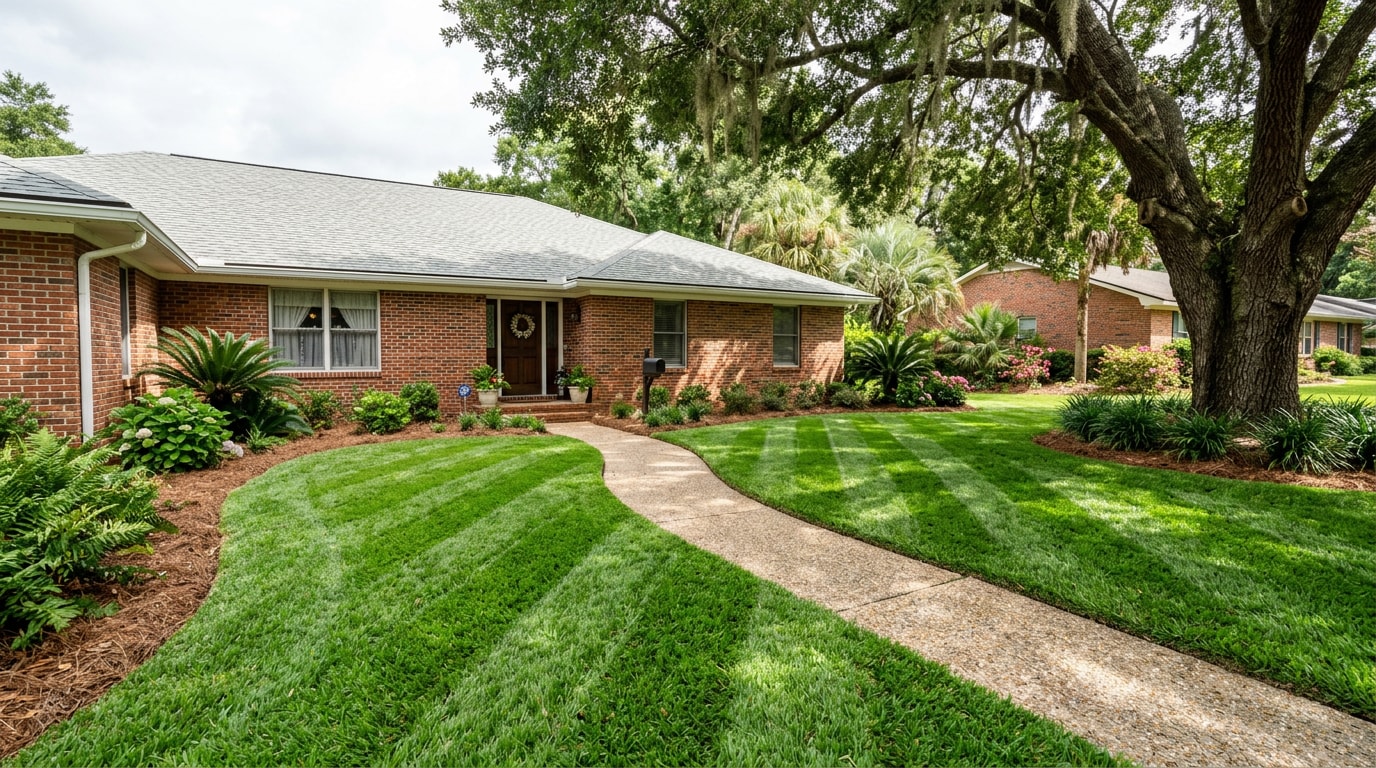
Lawn treatments in Havana, FL only pay off when they run as a program instead of a rescue visit in July. Gadsden County turf grows for most of the year, which means weeds, chinch bugs and nutrient loss get the same long runway your grass does. Here is what a full-year program covers, what it costs in 2026, and the month-by-month timing that actually matches North Florida turf.
What a Lawn Treatment Program Includes
A real program has four moving parts: feeding, weed suppression, insect and disease control, and the mowing and watering habits that hold it all together.
Drop any one of them and the other three underperform.
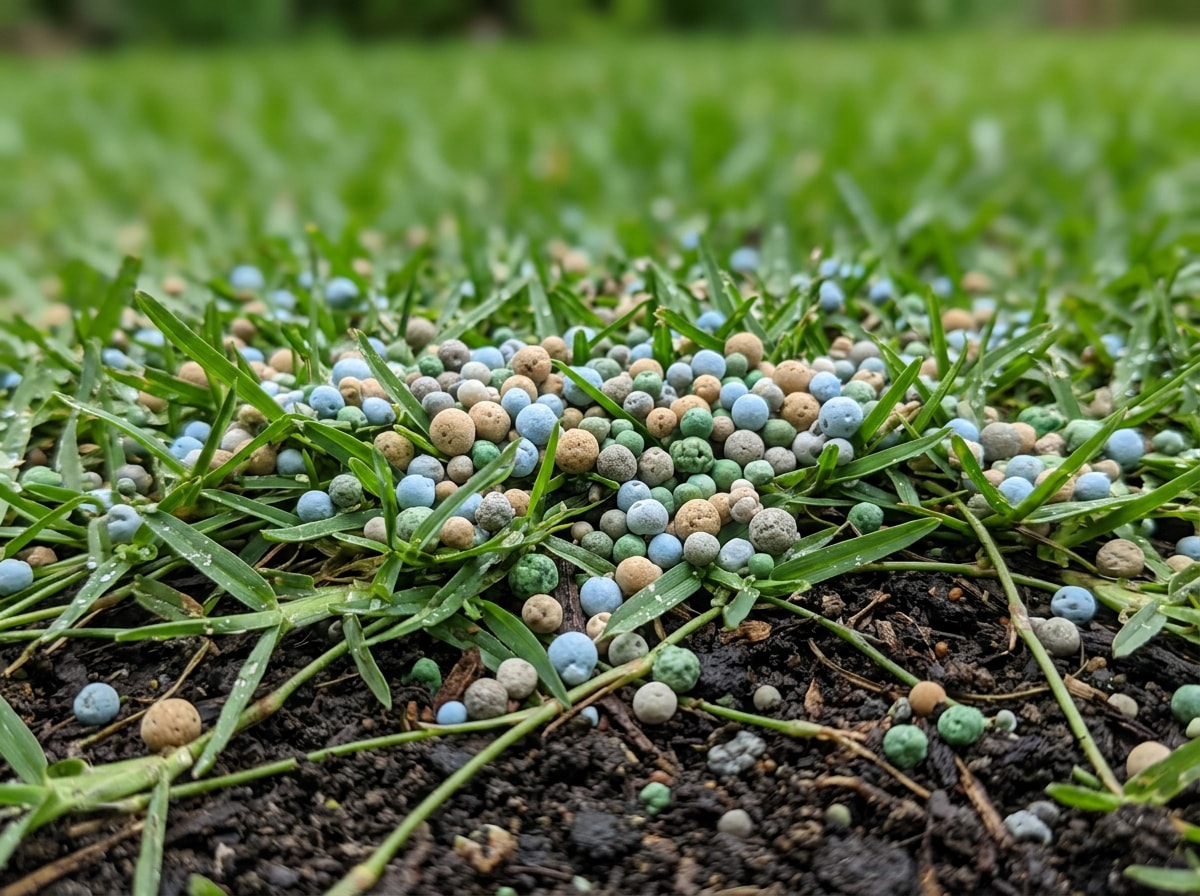
Fertilization and Soil Health
Feeding starts with a soil pH test, not a bag of fertilizer.
pH controls how much nitrogen, potassium and iron the roots can actually absorb. Fertilizing acidic soil without correcting pH is paying for nutrients the plant cannot reach.
In our experience pulling soil samples around Havana and Quincy, low pH and low potassium show up far more often than true nitrogen shortage, and the lawns that look worst in August are almost always the ones fed on a calendar instead of a test.
UF/IFAS publishes annual nitrogen rates by species. For north Florida, the recommended pounds of nitrogen per 1,000 square feet per year run 2 to 3 for bahiagrass, 3 to 5 for bermudagrass, 1 to 2 for centipedegrass, 2 to 4 for St. Augustinegrass, and 2 to 3 for zoysiagrass.
| Turf type | Typical rounds/year | Nitrogen per 1,000 sq ft/year | North FL active window |
|---|---|---|---|
| Centipede | 2 to 3 | 1 to 2 lbs | May to Aug |
| St. Augustine | 3 to 5 | 2 to 4 lbs | Apr to Sep |
| Zoysia | 3 to 4 | 2 to 3 lbs | Apr to Sep |
| Bermuda | 4 to 5 | 3 to 5 lbs | Apr to Sep |
| Bahia | 2 to 3 | 2 to 3 lbs | Apr to Sep |
Confirm species rates against the UF/IFAS homeowner best management practices for the home lawn.
Two local details matter more than most homeowners expect:
- Centipede is a low-input grass. Feed it like St. Augustine and it thins, yellows and invites large patch.
- Product selection is regulated in Florida.
Since December 31, 2007, FDACS has enforced an urban turf rule governing products sold for home lawns, and any fertilizer sold in bags under 50 pounds for home lawn use carries directions conforming to those requirements.
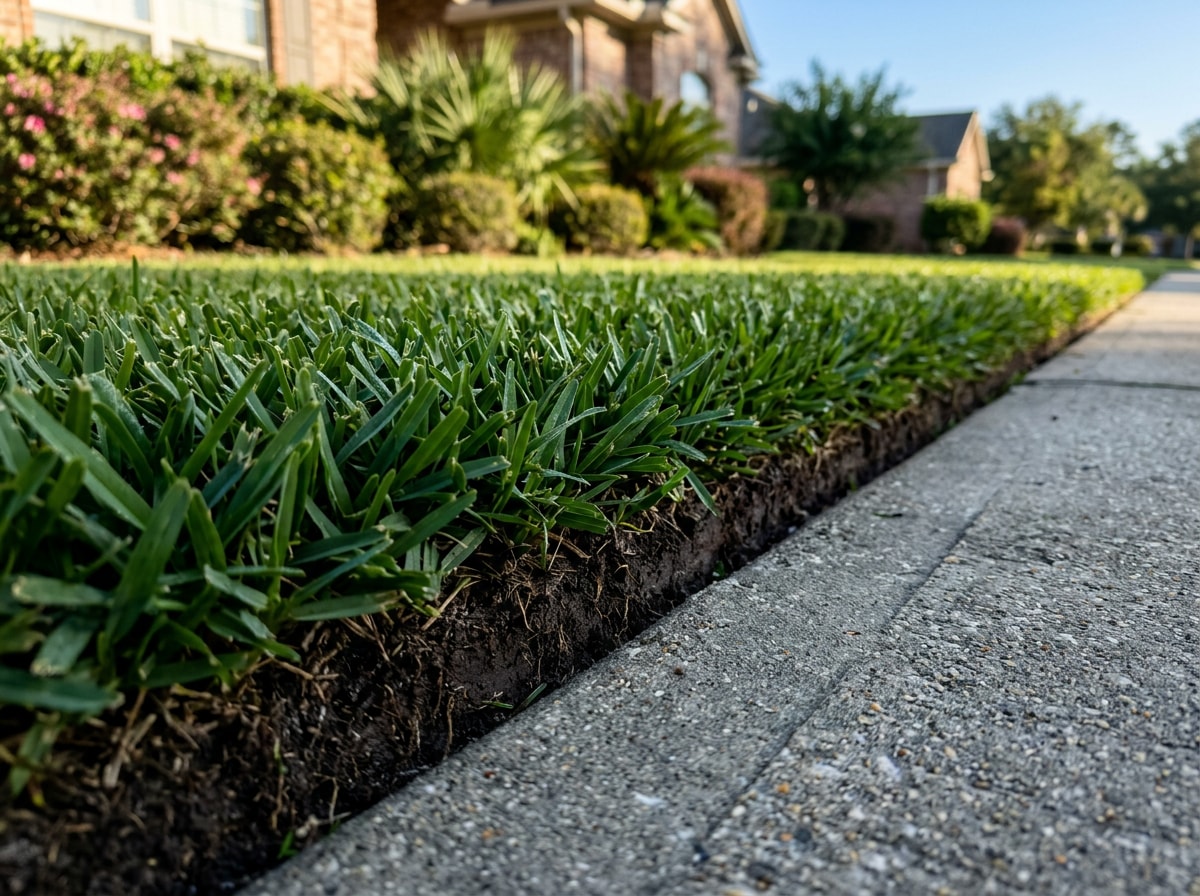
Weed Control
Weed work splits into two jobs with two different clocks.
Pre-emergent goes down before soil temperatures climb in late winter, which stops crabgrass and summer annuals before germination. Miss that window and the whole season turns into spot spraying.
Post-emergent handles what is already up: dollarweed, nutsedge, Florida betony and chamberbitter.
Herbicide choice is turf-specific. Several products that are safe on bermuda will damage centipede or St. Augustine, which is one reason applications belong with a certified applicator rather than a general handyman.
Insect and Disease Control
Chinch bugs hit St. Augustine hardest in hot, dry stretches. Sod webworms show up late summer and chew the blade down overnight. Large patch and gray leaf spot follow wet, humid weather and poor drainage.
Not every thin patch is an insect, though. Scalping, a dull blade, compaction or an irrigation head throwing short cause the same symptom. We check those first because spraying a mowing problem never fixes it. If the damage has already gone bare, our guide to fixing bare spots and dead patches in Havana lawns covers the repair side.
Who Is Allowed to Apply It
This is worth knowing before you hire anyone. Commercial lawn care services that fertilize home lawns are regulated under state statute, and since January 2014 these professionals have been required under Chapter 482.1562, Florida Statutes, to be certified in the Florida Green Industries Best Management Practices for Protection of Water Resources.
A Pest Control Operator Lawn and Ornamental license is what is required for pesticide applications to turfgrass and for use of powered pesticide equipment.
Ask for the credential. You can verify licensing requirements through the FDACS pest control licensing information.
What Lawn Treatments Cost in Havana, FL in 2026
Pricing follows measured square footage, turf type, number of rounds and whether insect and disease work is bundled in.
| Service | Typical 2026 range | How it is billed |
|---|---|---|
| Fertilization application | $80 to $185 | Per application, 5,000 sq ft benchmark |
| Weed control application | $65 to $165 | Per application |
| Insect or chinch bug treatment | $65 to $165 | Per application |
| Full monthly program | $150 to $250 | Per month, bundled |
| Mowing visit | $40 to $70 | Per visit, standard lot |
| Seasonal cleanup | $100 to $200 | Per visit |
Published 2026 Florida data puts fertilization at $80 to $185 per application for a standard 5,000 square foot lawn, with a four-application program running roughly $320 to $740 for the season.
Lawns over 10,000 square feet typically add $75 to $138 per application.
Three things move your number more than anything else:
- Measured turf area, not lot size. Beds, driveways and a wooded back half all come out of the total.
- Rounds per year. Centipede at three rounds costs far less annually than bermuda at five.
- Access and obstacles. Fenced back yards, steep sections and heavy tree cover slow every visit.
Want a number tied to your actual square footage instead of a range? Get a free estimate.
Seasonal Timing for North Florida Turf
Timing is where most DIY programs go wrong. North Florida is not Orlando, and warm-season grass here has a real dormancy.
- Late January to early March: pre-emergent before soil temperatures reach the low 60s. This is the single highest-value application of the year.
- April: first fertilizer round after full green-up, once the lawn needs regular mowing.
Mid April is the target date for the first fertilizer application to warm-season lawns in north Florida.
- May to August: growing-season feeding rounds, post-emergent spot work, chinch bug and webworm scouting.
- September to October: fall pre-emergent for winter annuals, plus a potassium-weighted application for cold hardiness.
- November to February: dormancy. Leaf removal, mowing cleanup, soil testing and irrigation repairs, not nitrogen.
Local governments in Florida can restrict fertilizer applications during defined windows, so we confirm current county and city rules before scheduling rather than assuming the state calendar applies. Climate reference points have shifted too. The current USDA Plant Hardiness Zone Map was released in November 2023, eleven years after the 2012 version , and it moved much of North Florida a half zone warmer. Check your address on the USDA Plant Hardiness Zone Map.
Which Program Tier Fits Your Yard
Most homeowners shop by tier, so here is the honest version of each.
Basic. Mowing, edging, blow-off and bed weed control. Fine for rentals and for owners who handle their own fertilizer.
Mid tier. Adds scheduled fertilization and turf weed control. This is where curb-appeal lawns live and where most Havana homeowners land.
Full service. Adds insect and disease treatment, aeration and seasonal cleanups. It earns its keep on acreage lots, where a chinch bug flare spreads across 40 feet before anyone walks the back fence line.
Our landscape maintenance and landscaping maintenance pages break down what each visit includes.
Supporting Work That Protects Every Application
Fertilizer and herbicide only perform when the basics are right.
Mowing Height
Cut height drives treatment results more than brand of fertilizer.
St. Augustine wants 3.5 to 4 inches. Centipede runs 1.5 to 2 inches. Never remove more than a third of the blade in one cut.
Scalping undoes a fertilization round faster than anything else on this list.
Irrigation
Dry spots and overwatered corners both show up as "bad fertilizer." Uneven coverage, clogged heads and short run times produce stripes that look exactly like nutrient burn. A quick audit of your irrigation system before a treatment season starts costs less than replacing turf.
Cleanup and Leaf Removal
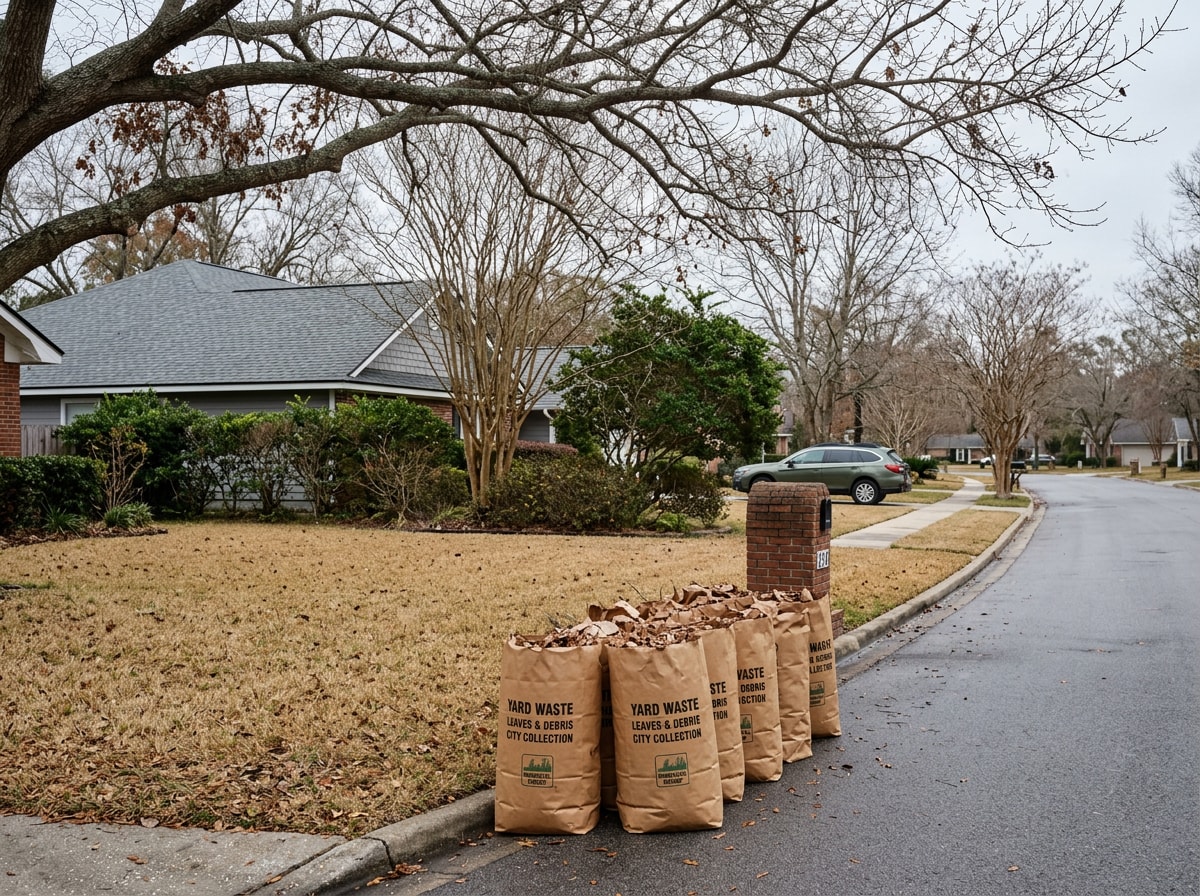
Matted leaves shade turf heading into dormancy, trap moisture at the crown and set up fungal disease. Routine clean up visits are turf health work, not housekeeping.
Thin Turf That Will Not Recover
Some lawns are past treating. When coverage drops below roughly half, feeding thin turf mostly feeds weeds, and lawn seeding or sod is the cheaper route to a full lawn.
Service Area
We handle lawn treatments in Havana, FL 32333 and across the surrounding area, including Quincy, Midway and north Leon County. See recent work on our projects page, or start at the Talquin Landscaping homepage for the full service list.
FAQ
When should I apply lawn fertilizer in North Florida?
Wait for full spring green-up and active growth rather than a fixed date. Mid April is the target for the first application to warm-season lawns in north Florida. St. Augustine usually greens up before centipede, so the first feeding differs by yard.
What is the best thing to put on your lawn in the fall?
A potassium-weighted application matched to your turf type, a fall pre-emergent for winter annual weeds, and consistent leaf removal. Go light on nitrogen late in the season. Pushing growth on warm-season grass heading into dormancy invites disease and cold injury.
How much does it cost to mow a lawn in Florida?
Per-visit mowing commonly runs about $40 to $70 for a typical residential lot. Lot size, frequency, fencing, slope and tree cover drive the number. Bundled plans usually cost less per cut than one-off visits.
How often should lawn treatments be applied?
Most Havana lawns run four to six rounds a year, spaced six to ten weeks through the growing season. Centipede sits at the low end, bermuda at the high end. Soil test results can change the schedule.
How long does it take for weed control to work?
Post-emergent results on broadleaf weeds usually show in 7 to 14 days. Nutsedge and Florida betony often need a second application. Pre-emergent shows no visible result at all, which is exactly the point.
Can I mow right after a lawn treatment?
Wait until a liquid application has dried, and generally 24 to 48 hours before mowing so the product stays on the target. For granular applications, water it in and keep normal mowing. Your applicator should leave specific re-entry and mowing instructions on the service ticket.
Are lawn treatments safe around pets and kids?
Follow the label re-entry interval, which is typically until the treated area is dry for most turf products. Granular applications are usually watered in and then safe once dry. Ask for the product label if you want to read it yourself.
Is a treatment program worth it, or should I DIY?
DIY product cost for four fertilizer rounds is real money, and the savings shrink fast once you add herbicide, a spreader and a sprayer. The bigger gap is calibration and diagnosis. Uneven spreading causes stripes and burn, and misidentifying a disease as an insect wastes a whole application.
Do you treat lawns in Quincy and Midway too?
Yes. We cover Havana, Gadsden County and north Leon County, including Quincy and Midway. Contact us with your address and we will confirm coverage and schedule a measurement.
Written by the field crew at Talquin Landscaping, who handle fertilization, weed control and turf maintenance across Gadsden and Leon County year-round. Questions about your lawn? Reach the team through our contact page.