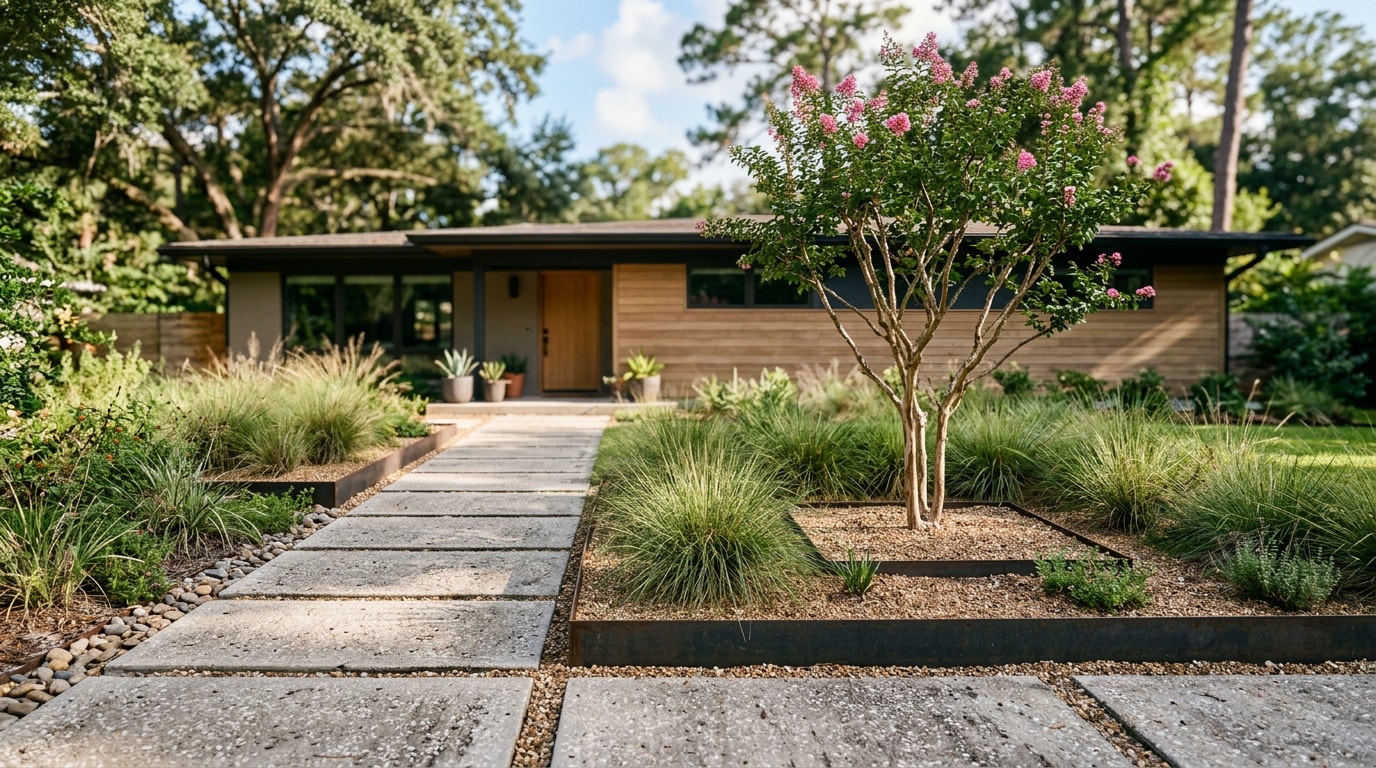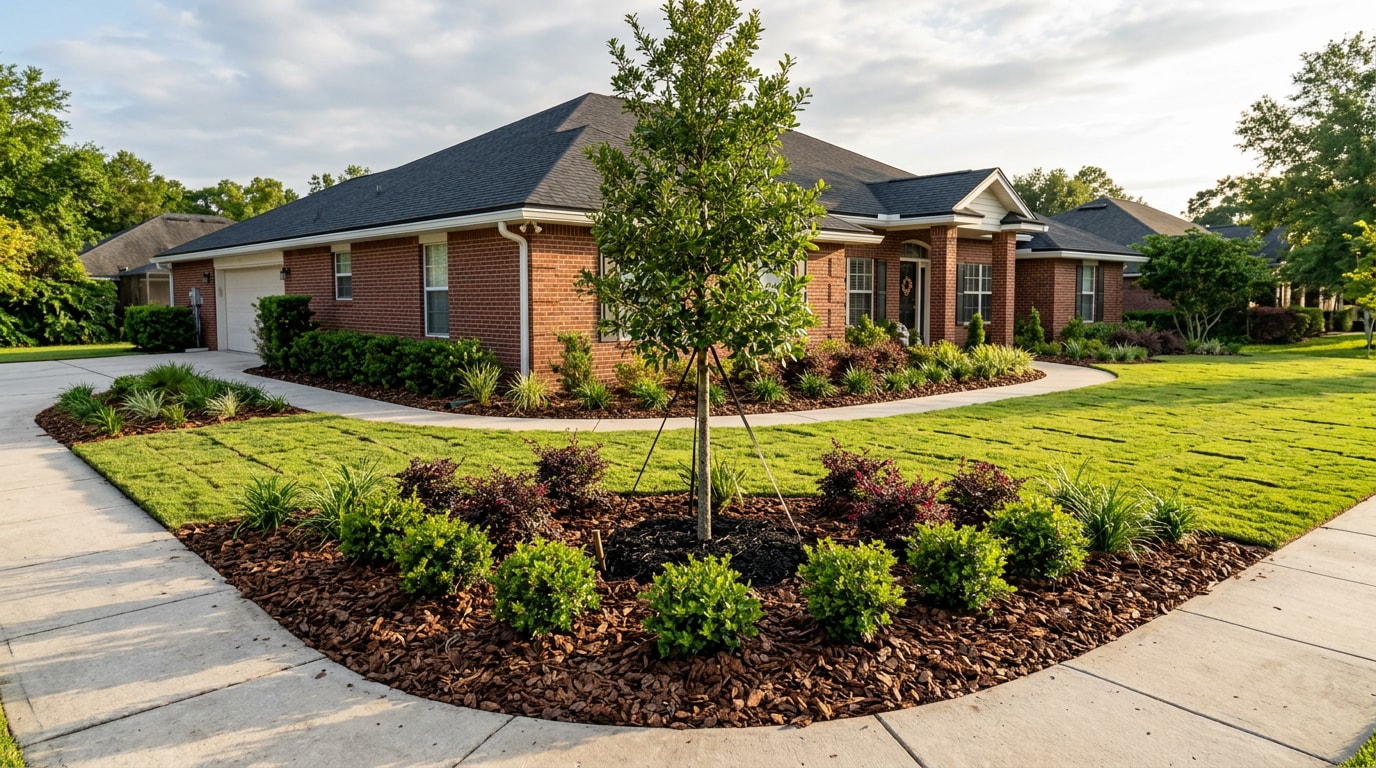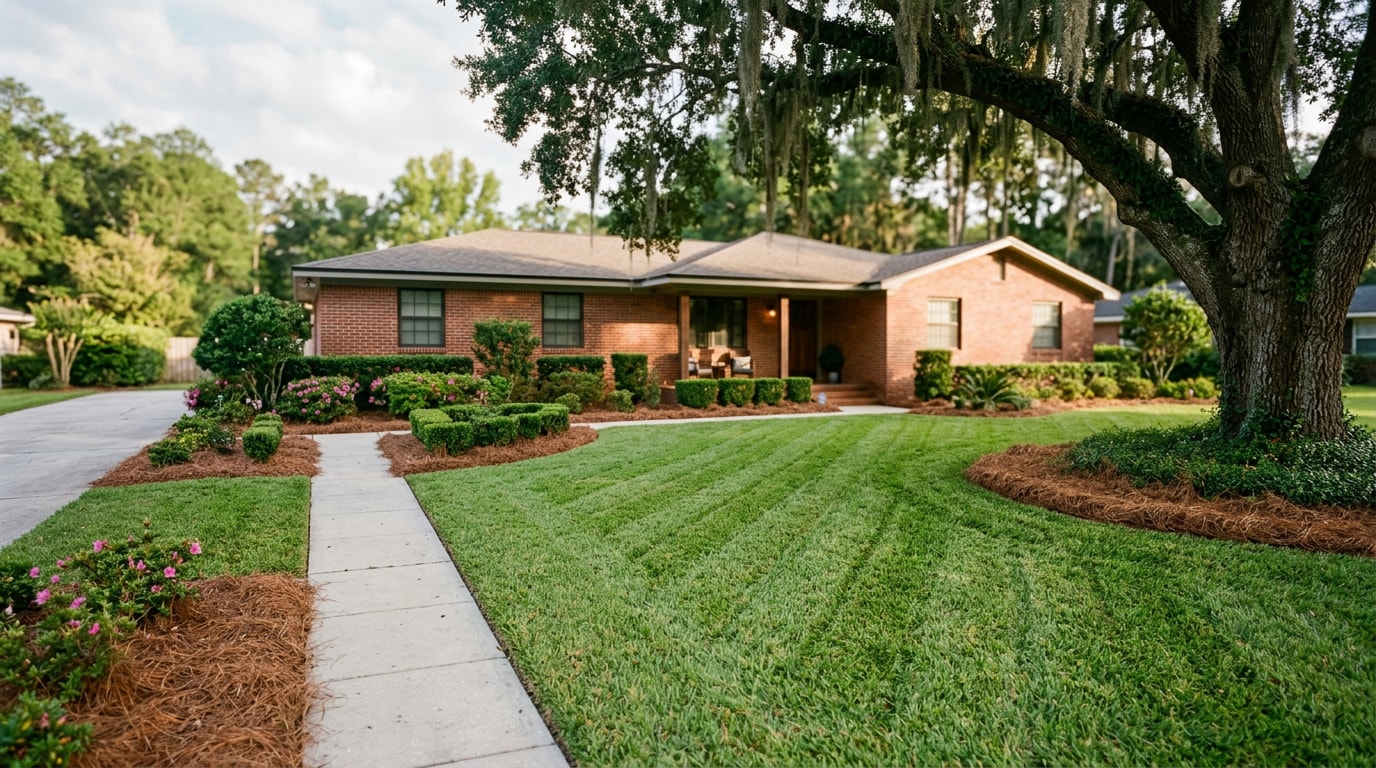
Grounds maintenance in Tallahassee, FL is recurring year-round work: mowing, edging, bed care, fertilization, and weed and pest control on a fixed schedule. It is not the same as a one-off landscaping project, which has a start date, a finish date, and no ongoing commitment. The difference shows up in your budget, your contract, and how your turf looks in August.
Visit Talquin Landscaping to see our services and request a free estimate.
What Grounds Maintenance Includes
A standard recurring program in Leon County covers:
- Mowing, string trimming, hard-surface edging, and blow-off of drives and walks
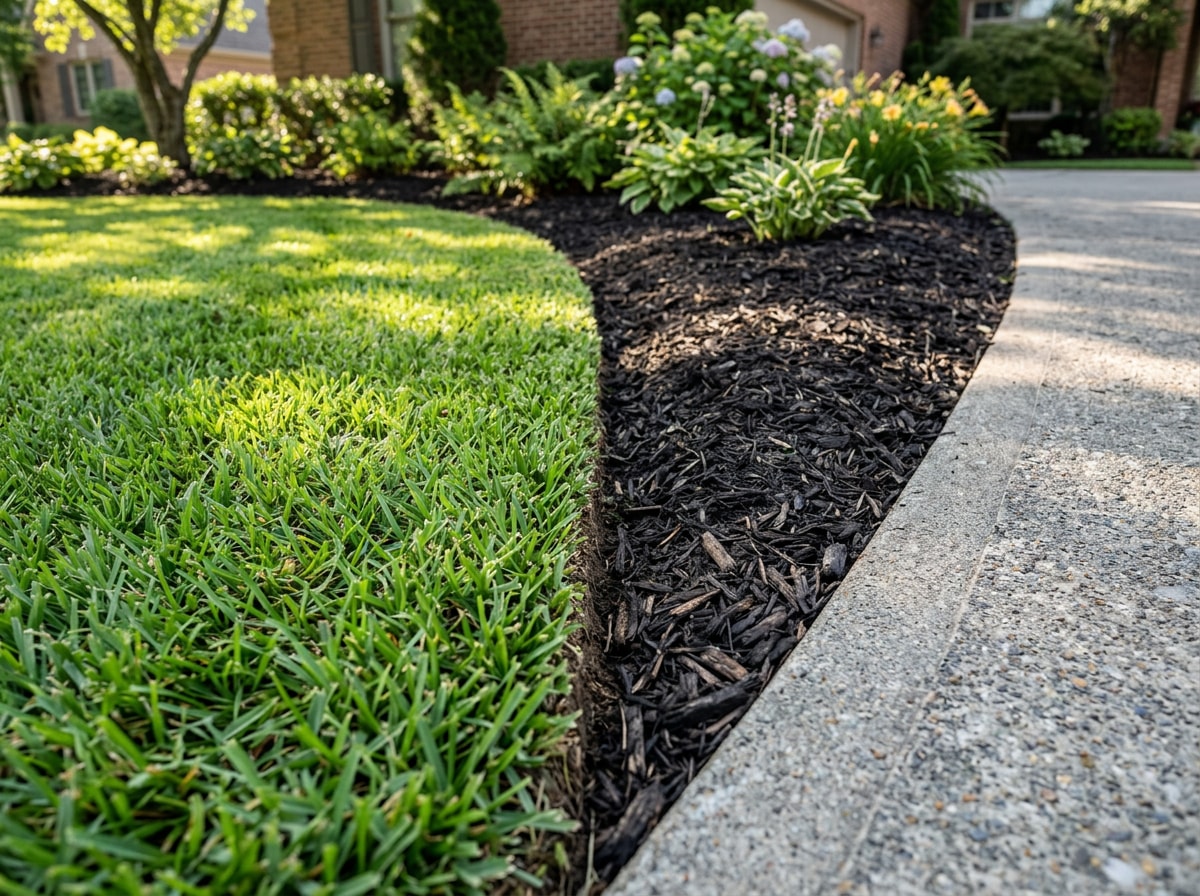
- Flower bed weeding, bed edging, and mulch or pine straw refresh
- Shrub and hedge trimming on a rotation, not every visit
- Fertilization and weed control on a seasonal calendar
- Irrigation checks for broken, sunken, or misaimed heads
- Storm debris and leaf cleanup
Add-ons that are usually billed separately: core aeration, sod repair, gutter clearing, seasonal color rotations, and pressure washing.
Most clients start with mowing through our landscape maintenance) program and add treatments once they see how the turf responds. Larger properties often pair upkeep with irrigation) service, since a broken zone undoes a whole season of fertilizer.
Grounds Maintenance Cost in Tallahassee: 2026 Ranges
Price moves with square footage, slope, obstacle count, gate width, debris volume, visit frequency, and add-ons. Ranges below come from our own 2026 price book and are estimates. A site visit sets the final number.
| Service | Small lot (under 1/4 acre) | Mid lot (1/4 to 1/2 acre) | Large lot (1/2 to 1 acre) |
|---|---|---|---|
| Mow, edge, blow (recurring) | $40 to $55 | $55 to $80 | $80 to $135 |
| Full maintenance program (monthly) | $185 to $245 | $245 to $380 | $380 to $610 |
| Core aeration (per visit) | $110 to $160 | $160 to $245 | $245 to $420 |
| Mulch install (per cubic yard, installed) | $85 to $110 | $85 to $110 | $80 to $105 |
One-time mowing runs roughly 20 to 40 percent above the recurring rate. Overgrown yards carry a surcharge because tall grass means slower ground speed and a second pass.
Here is how small the variables can be: two Killearn yards of nearly identical square footage quoted $22 apart last spring. One had a 36-inch side gate that forced a push mower plus 14 landscape obstacles. The other took a 60-inch rider in a single pass.
A legitimate quote itemizes per-visit versus monthly program billing, lists what is included, and names what costs extra.
Mowing and Feeding Schedule for North Florida Turf
This is where most generic lawn plans fail. Tallahassee lawns are warm-season grasses, and each species has a different cutting height and a different nitrogen appetite.
UF/IFAS Extension publishes annual nitrogen ranges for north Florida by species: roughly 2 to 3 pounds per 1,000 square feet for bahiagrass, 3 to 5 for bermudagrass, 1 to 2 for centipedegrass, 2 to 4 for St. Augustinegrass, and 2 to 3 for zoysiagrass.
| Turf type | Typical mow height | Annual N, north FL (lbs/1,000 sq ft) | Watch for |
|---|---|---|---|
| Centipede | 1.5 to 2 in | 1 to 2 | Decline from overfeeding |
| St. Augustine | 3.5 to 4 in | 2 to 4 | Chinch bugs, large patch |
| Zoysia | 1 to 2 in | 2 to 3 | Thatch buildup |
| Bermuda | 0.5 to 1.5 in | 3 to 5 | Scalping, weed pressure |
| Bahia | 3 to 4 in | 2 to 3 | Seed heads, iron chlorosis |
Centipede is the one people ruin. Established centipedegrass needs about 50 percent less nitrogen than other Florida lawn grasses, and it does not respond well to excess fertilizer . Overfeeding it can trigger centipedegrass decline, more insect pressure, and thatch . Details and rates are in the UF/IFAS guide to centipedegrass for Florida lawns.
Timing by season:
- Spring: green-up, pre-emergent, mowing restarts.
Mid-April is the target date for the first fertilizer application on warm-season lawns in north Florida.
- Summer: weekly mowing, iron for color, close watch on fungus after wet stretches.
- Fall:
the last recommended fertilizer application in north Florida is September, and a high-potassium product is the best choice for that time of year .
- Winter: dormancy. Cleanup, limited mowing, no nitrogen.
Florida Rule 5E-1.003 caps any single application at 1 pound of nitrogen per 1,000 square feet. City and county ordinances can restrict application windows on top of that, so confirm current Leon County rules before anyone spreads anything.
One correction worth making, because older local pages still get it wrong: the 2023 USDA Plant Hardiness Zone Map moved Tallahassee from 8b to 9a. Practical effect is a slightly longer growing season and a later dormancy, which means more mowing visits per year, not fewer.
Weed, Pest and Disease Pressure Here
Tallahassee has a predictable cast: chinch bugs in St. Augustine, sod webworms and armyworms late summer, mole crickets in sandier soils, and large patch when nights stay warm and wet. On the weed side it is dollarweed, crabgrass, and nutsedge.
Prevention beats rescue. A pre-emergent applied before soil temperatures climb stops crabgrass before it germinates. A fungicide ahead of a wet stretch protects turf that is already stressed.
Curative work is reactive and more expensive. We identify first, then treat, because fungus, chinch bugs, and irrigation failure all look identical from the driveway and need opposite responses.
Soil Compaction, Aeration and Drainage
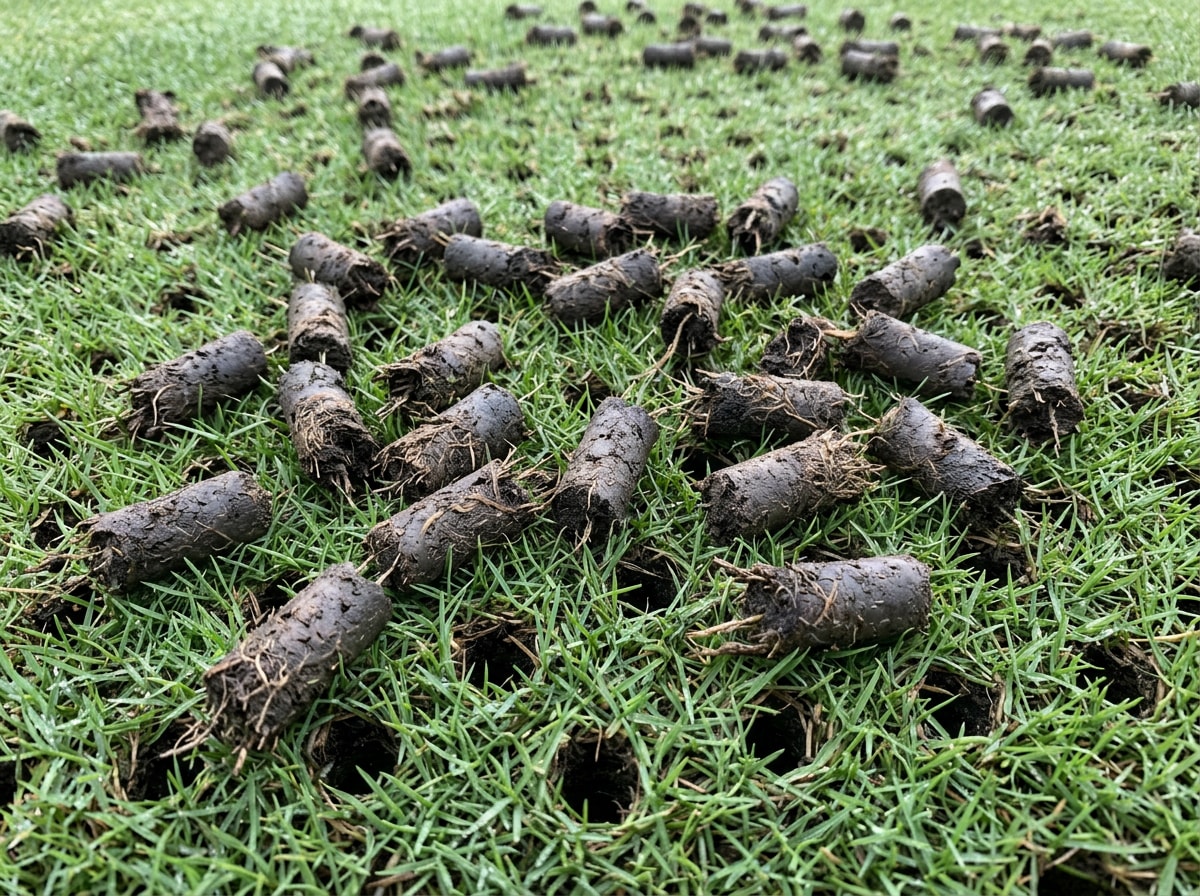
Our clay-heavy soils compact fast under foot traffic, mower weight, and heavy summer rain. Signs you need core aeration:
- Water pools or sheets off instead of soaking in
- Thin strips along walkways and gate paths
- A screwdriver will not push into damp soil
- Turf stays flattened after being walked on
The right window for aeration here is late spring into early summer, when warm-season grass is growing hard enough to close the holes. Be careful with overseeding advice: centipede and St. Augustine do not overseed well, while bermuda and zoysia are reasonable candidates.
If water sits for more than a day after rain, aeration is not the fix. That is a grading or drainage) problem, and it needs to be solved before turf work is worth paying for.
Beds, Shrubs and the Rest of the Property
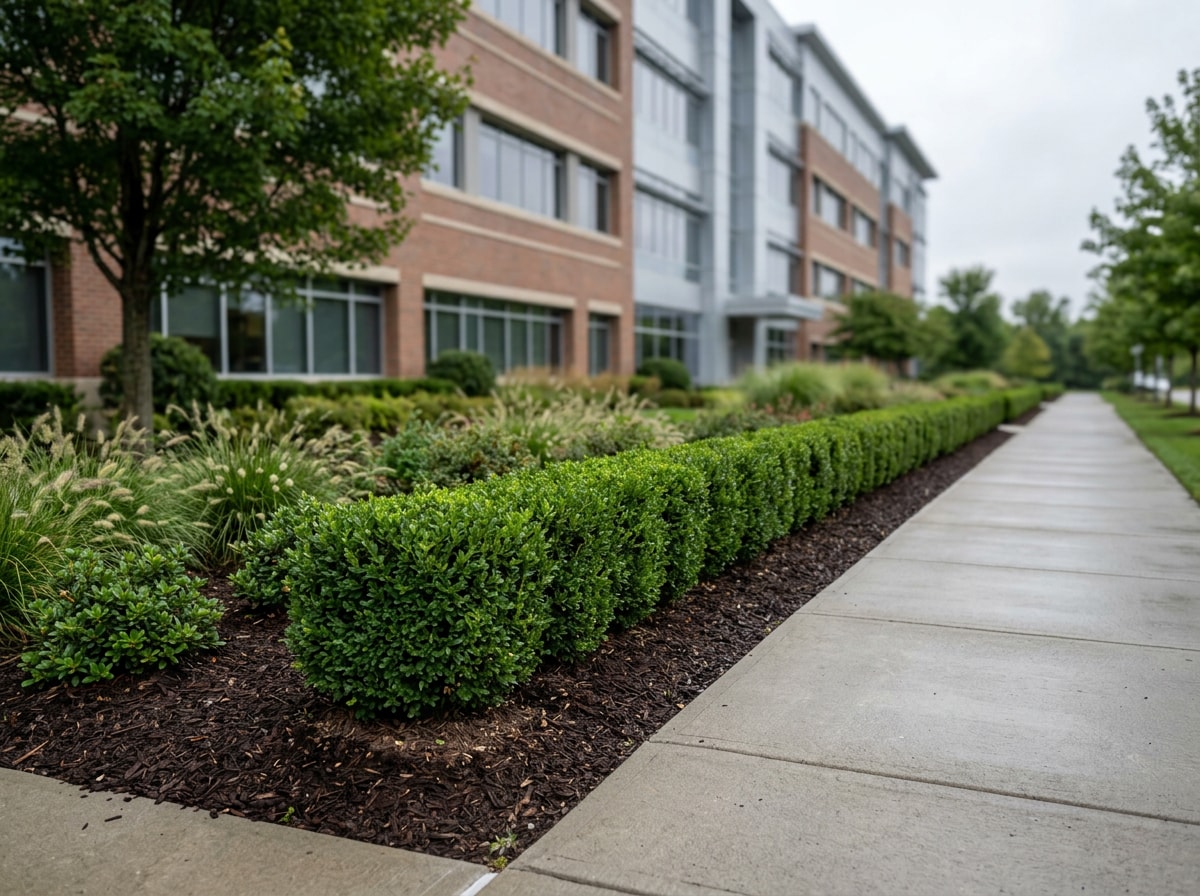
Turf is half the job. Recurring bed care covers mulch and pine straw refresh, hedges and bushes) trimming, weeding, bed edging, and clean up) after storms drop limbs.
Project work sits outside a maintenance plan. Hardscape, lighting, and design builds are quoted separately through landscaping). If you want a sense of what ongoing bed work actually covers, our breakdown of garden maintenance in Centerville) walks through scope and pricing.
Commercial vs Residential Grounds Maintenance
Two different buyers search this term, and they need different contracts.
| Residential | Commercial / HOA | |
|---|---|---|
| Visit frequency | Weekly in season | Weekly, often with a fixed day |
| Documentation | Invoice only | Service logs, COI naming the entity |
| Scope | Turf and beds | Turf, beds, parking islands, sight lines, storm response |
| Billing | Monthly or per visit | Annual contract, 12 equal payments |
| Decision driver | Curb appeal, time saved | Liability, tenant retention, budget predictability |
Commercial accounts usually care most about two things: crews that show up whether or not anyone is watching, and insurance certificates on file before the first visit.
One-Time vs Recurring Service
- Rental turnover or listing prep: one-time cleanup, then stop
- Second home or seasonal resident: recurring at reduced frequency, year-round
- Year-round resident: recurring with seasonal frequency changes
- Investor with multiple doors: recurring, one invoice, one contact
Frequency follows the season. Weekly April through September, every other week in the shoulder months, monthly or paused during dormancy. Our agreements are month-to-month and cancel with 30 days' notice.
Water-Wise Practices That Actually Save Money
Spot treatment instead of blanket spraying uses less product and keeps chemicals off healthy turf.
Right plant, right place reduces how much irrigation a bed needs once it establishes. We check irrigation efficiency on every inspection, because broken heads and overspray onto pavement are the biggest single source of waste on most properties.
Runoff here reaches Lake Jackson, Lake Lafayette, and area springs. The EPA's guidance on water-smart landscape design is a practical reference for homeowners who want to cut outdoor water use without killing the lawn.
How to Hire a Grounds Maintenance Company
- Verify licensing and liability insurance. Ask for a certificate naming you, not a phone screenshot.
- Confirm pesticide applications are made by a licensed applicator under Florida rules.
- Ask about crew consistency. The same crew learns your property. Rotating crews do not.
- Ask about equipment sanitation between properties, which limits fungus spread.
- Get the scheduling window and rain-delay policy in writing.
- Read the cancellation terms before you sign.
Any company that hesitates on items one and two should come off your list.
Why Property Owners Hire Us
I am Marcus, owner of Talquin Landscaping. I started cutting grass in Leon County at 16 and launched this company in 2011 after eight years working for other outfits. I still run estimates myself and walk every new property before we quote it.
Most of our clients have been with us more than three years. Crews are trained in-house on turf identification, species-specific mowing heights, and equipment safety, and our applicators hold current Florida pesticide licenses. We carry general liability and workers' compensation, and we send the certificate before the first visit.
You get the same crew on the same day each week. If a treatment underperforms or a cut misses standard, we return at no charge, typically within two business days, weather permitting. Finished work from recent jobs is on our projects) page.
Areas Served
We cover Tallahassee) and most of Leon County), including Midtown, Killearn, Betton Hills), SouthWood), Bradfordville, Golden Eagle), Woodville), and Lake Jackson. Havana) and Centerville are served as well.
Core ZIP codes: 32301, 32303, 32304, 32308, 32309, 32311, 32312, 32317.
Properties more than 20 minutes outside the city may carry a modest travel fee, quoted upfront.
FAQ
What is included in grounds maintenance?
Mowing, edging, trimming, blow-off, bed weeding, shrub trimming on rotation, fertilization, weed and pest control, and debris cleanup. Aeration, sod repair, and mulch installs are usually priced separately.
How much is lawn maintenance in Florida?
Statewide, basic mowing runs roughly $35 to $120 per visit and full programs $150 to $500 monthly, depending on lot size and region. Tallahassee sits near the middle. Use the lot-size table above for local 2026 figures.
How often should my lawn be mowed in Tallahassee?
Weekly from April through September, every other week in March and October, and monthly or as needed during dormancy. Never remove more than one-third of the blade height in a single cut.
What is the difference between grounds maintenance and landscaping?
Grounds maintenance is recurring upkeep on a schedule. Landscaping is project work with a defined scope and end date, like installs, hardscape, or redesign. Many properties need both, but they are billed differently.
When should I fertilize my lawn in North Florida?
Mid-April for the first application , and September is the last recommended application in north Florida . Feeding later than that pushes tender growth into frost season.
What is the best thing to put on your lawn in the fall?
A potassium-forward fertilizer applied before the first cold snap, paired with a fall pre-emergent for winter annual weeds. Skip heavy late-season nitrogen.
Can you fix brown patches or thinning grass?
Yes, after we diagnose the cause. Fungus, insects, irrigation failure, and compaction look alike from a distance and need opposite treatments. Expect visible recovery in three to six weeks during active growth, longer near dormancy.
Do I have to sign a long contract?
No. Residential programs are month-to-month with 30 days' notice. Commercial and HOA accounts typically run as annual agreements billed in 12 equal payments for budget predictability.
Schedule a Free Property Walkthrough
A walkthrough covers the whole property, not a glance from the driveway. We measure turf density, probe for compaction, run an irrigation check, and look for active disease and insect damage. You get written findings and a quote before any work starts.
Get a Free Estimate) and we will respond within one business day, usually scheduling the visit the same week. More about our team and full service list is on the Talquin Landscaping homepage).