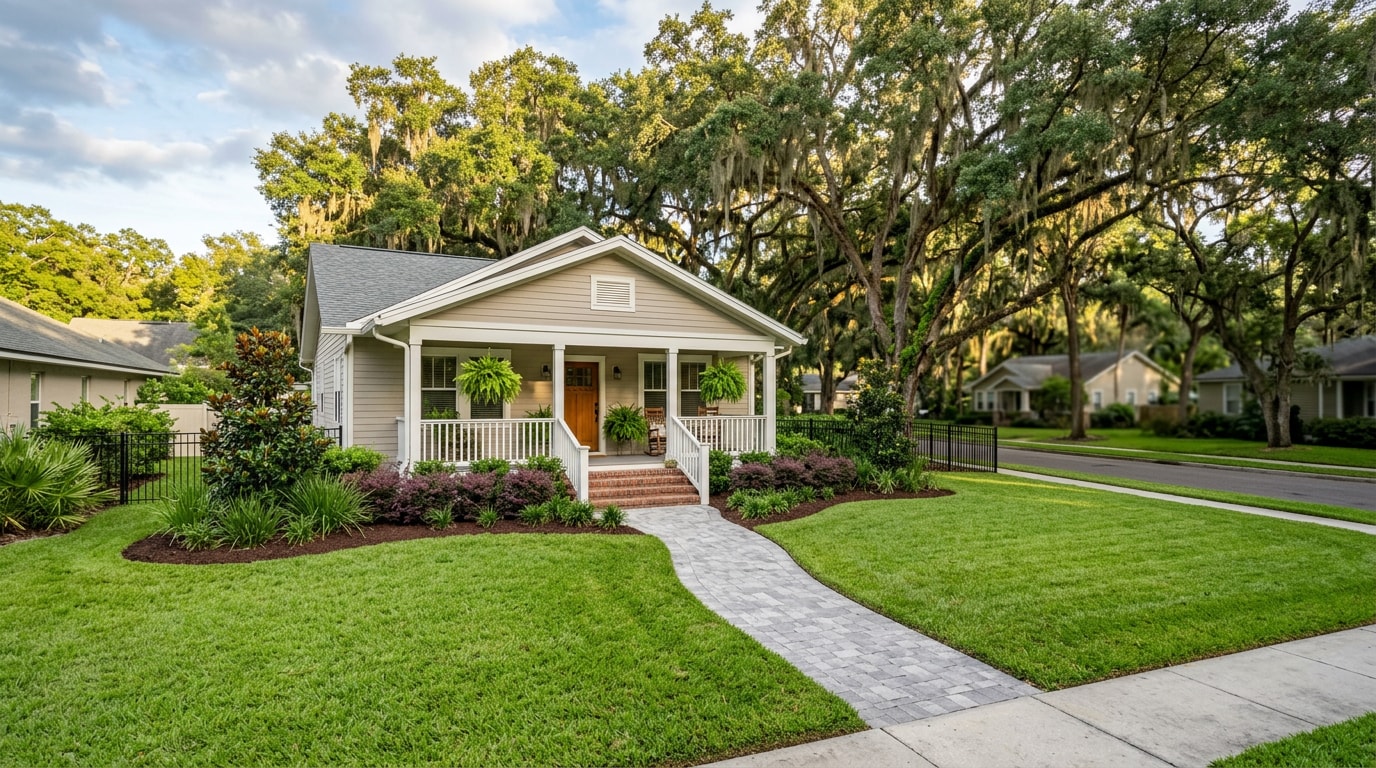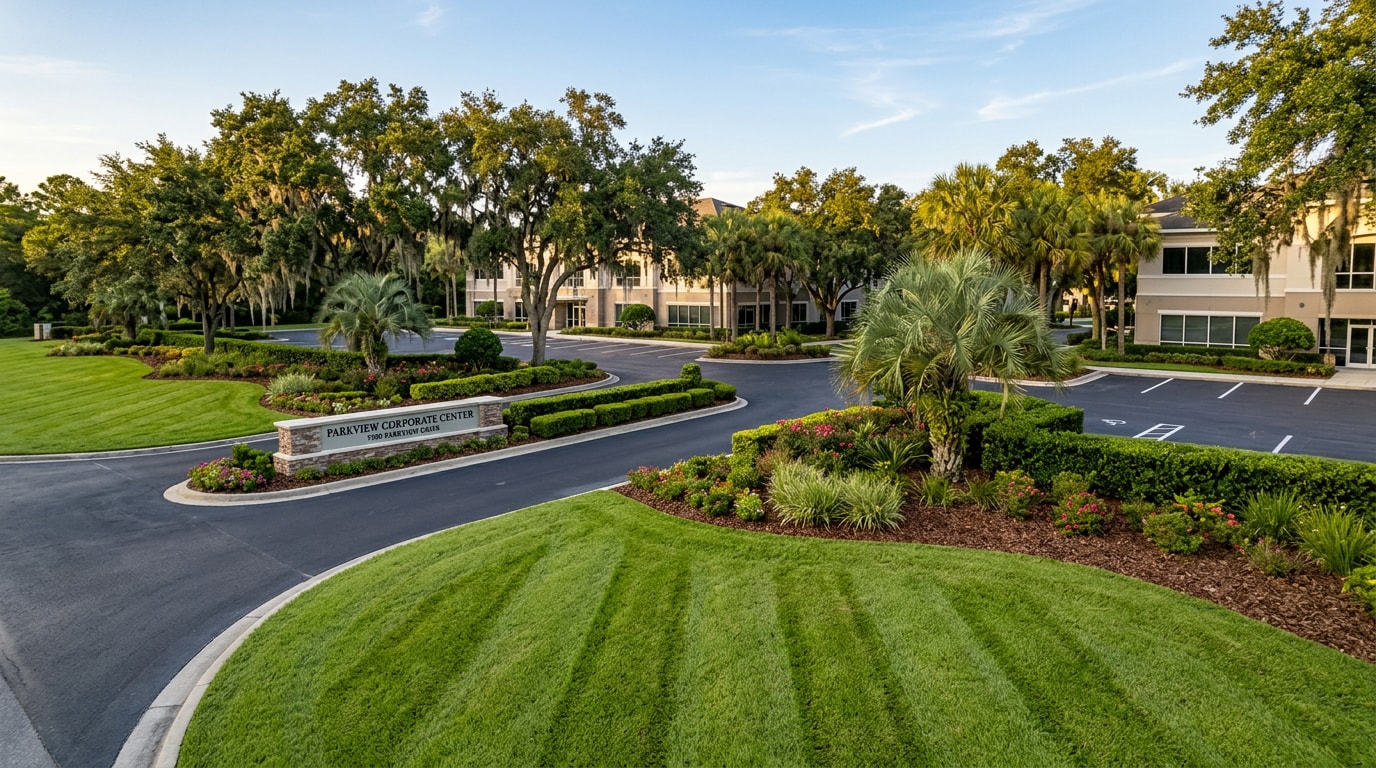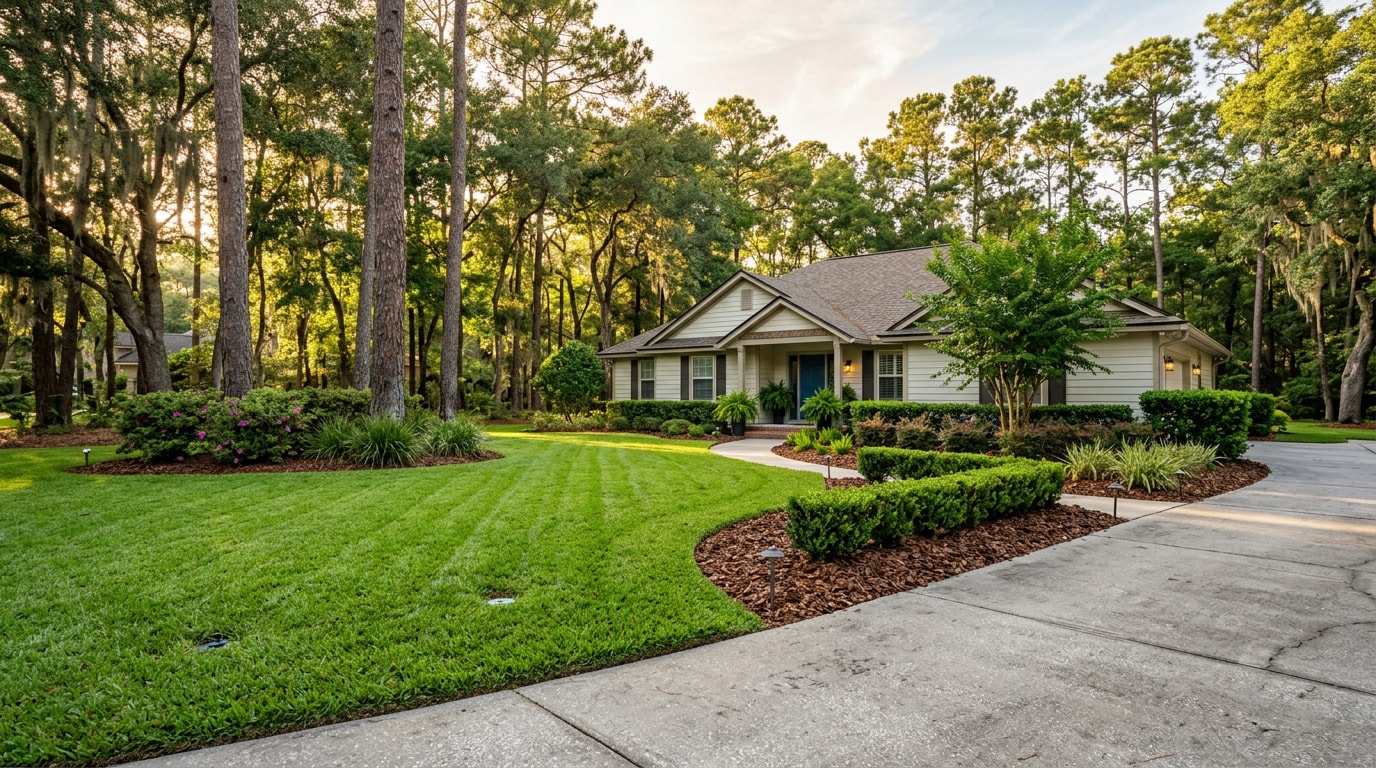
Garden maintenance in Centerville, FL covers a longer work season than most of the country, because turf, hedges and beds here keep growing well after northern yards shut down. That stretched season is also why two quotes on the same yard can differ by nearly double. Below is what a recurring plan actually includes, 2026 price ranges, and the one line on a quote that tells you which kind you are holding.
What Garden Maintenance in Centerville, FL Includes
Most companies bundle a short list of repeat tasks into the recurring visit and price everything else as an add-on.
Knowing where that line sits is the difference between a yard that stays sharp and one that slowly slides. Our landscape maintenance scope below reflects how work is typically written up on northeast Leon County properties.
Mowing, Edging and Trimming
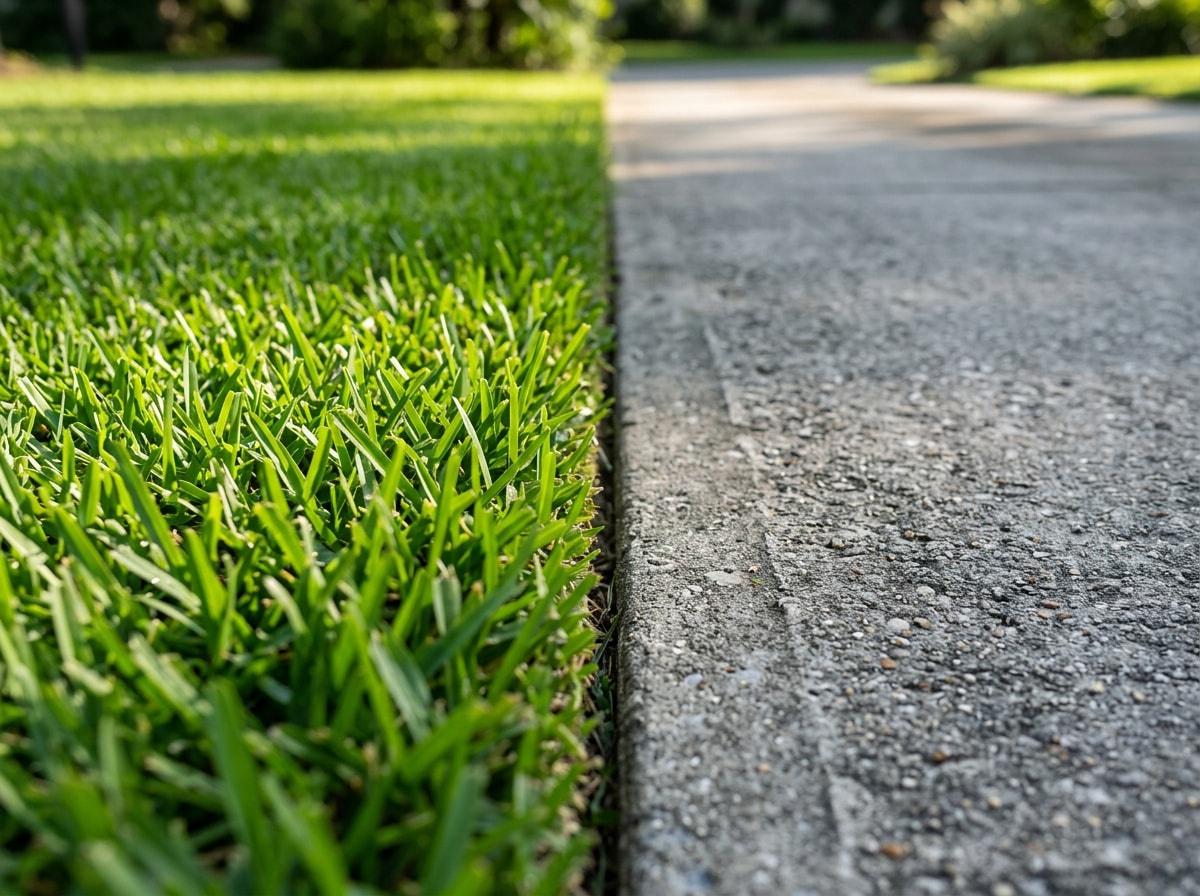
A standard visit covers mowing all turf, edging every hard surface, string trimming what the mower cannot reach, and blowing clippings off concrete.
Edging cuts back the grass and soil creeping over patios, sidewalks, driveways and walkways. Trimmed areas get cut to the same height as the mowed turf.
Most Centerville lawns need mowing every 7 to 10 days through the active growing season. Mowing height matters as much as frequency. Floratam St. Augustine, the most common sod here, should be mowed at 3.5 to 4 inches , and scalping it invites weeds.
Hedge and Shrub Trimming
Hedges and shrubs get trimmed to hold shape, density and bloom. Roughly three rounds per season suits most plantings here.
Skip a year and you are into hard cutbacks that look rough for months.
Cut placement and timing matter as much as frequency. The ANSI A300 Part 1 pruning standard covers pruning and trimming operations, including work to rejuvenate shrubs and improve branch structure , and it is the document a professional crew should be working from. Read the A300 Part 1 pruning standard if you want to know what you are buying.
One caution: shrub and hedge trimming is often quoted separately from a mowing package. Confirm it is included before you sign.
Flower and Garden Bed Weeding
Beds should be hand weeded, pulling weeds and stray shrub growth out at the root.
That matters if you have ornamentals. Blanket spraying near azaleas or perennials risks drift damage that hand weeding avoids.
Bed preparation belongs in the same conversation. Plants set into a well prepared bed establish faster, which cuts replacement costs later. That is garden installation work, not maintenance, so expect it priced as a one-time line item.
Mulch and Pine Straw
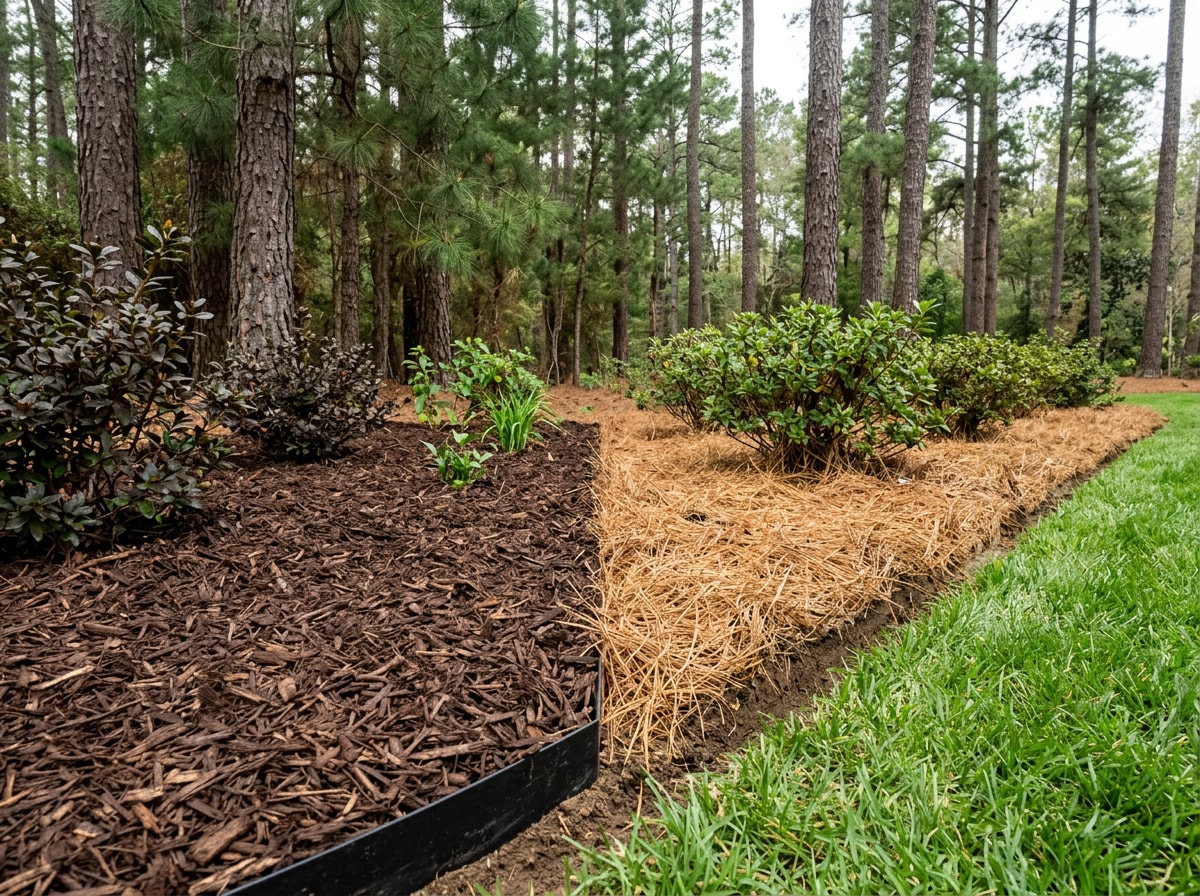
Both do the same job, moisture retention and weed suppression, but they behave differently.
- Mulch holds color longer, weighs more and stays put on flat beds.
- Pine straw knits together on slopes, usually costs less per bed, and looks native under oaks and pines, but it thins out and needs refreshing more often.
For sloped Centerville beds, pine straw usually wins. For formal front beds, mulch looks better longer. Our guide to mulch installation in Betton Hills walks through depth and edging details that apply here too.
2026 Cost Ranges and How to Read Two Quotes
Treat the following as planning ranges for North Florida properties, not a quote. Lot size, obstacle density, gate access and slope move every number.
| Service | Typical 2026 range | Frequency |
|---|---|---|
| Mowing, edging, trimming (quarter acre) | $35 to $65 per visit | Every 7 to 10 days in season |
| Full maintenance package (quarter acre) | $140 to $280 per month | Weekly in season |
| Weed control and fertilization | About $60 per application | 4 to 6 times a year |
| Spring or fall clean-up | $100 to $200 per visit | Twice a year |
| Mulch or pine straw refresh | Priced per bed or per yard | Once or twice a year |
Here is why the same yard gets two very different numbers:
- Mowing-only package: mow, edge, trim, blow off hard surfaces. Beds, hedges, mulch and fertilization billed separately.
- Full garden maintenance package: all of the above plus bed weeding, scheduled shrub pruning, mulch refresh and seasonal clean-ups folded into one monthly rate.
Ask for the scope itemized line by line, then compare. A cheap monthly rate with four add-ons attached is rarely the cheaper year. Get a free estimate with every line written out.
Spring and Fall Clean-Ups
Two separate jobs with the same goal.
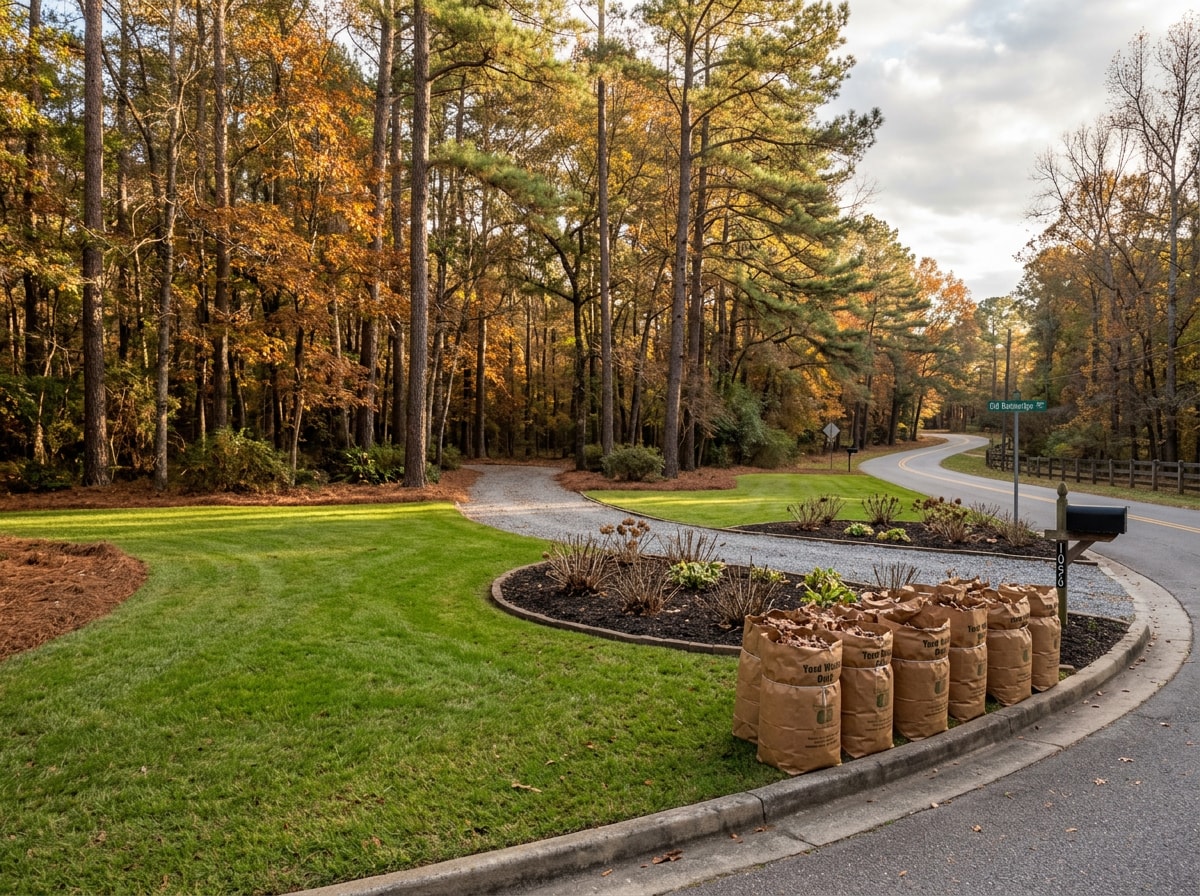
Fall clean-up is leaf and debris removal, cutting back spent perennials, clearing beds and gutters, and a final turf cut.
Spring clean-up is closer to a reset: winter debris, refreshed beds, new mulch, and pruning of anything a freeze damaged.
Across Leon County these are priced per visit, not per hour. A heavily wooded lot off Roberts Road can easily double the fall number, which is worth asking about before October.
Brown Spots: Diagnose Before You Pay for a Treatment
You can rule out several causes yourself before anyone sells you a treatment.
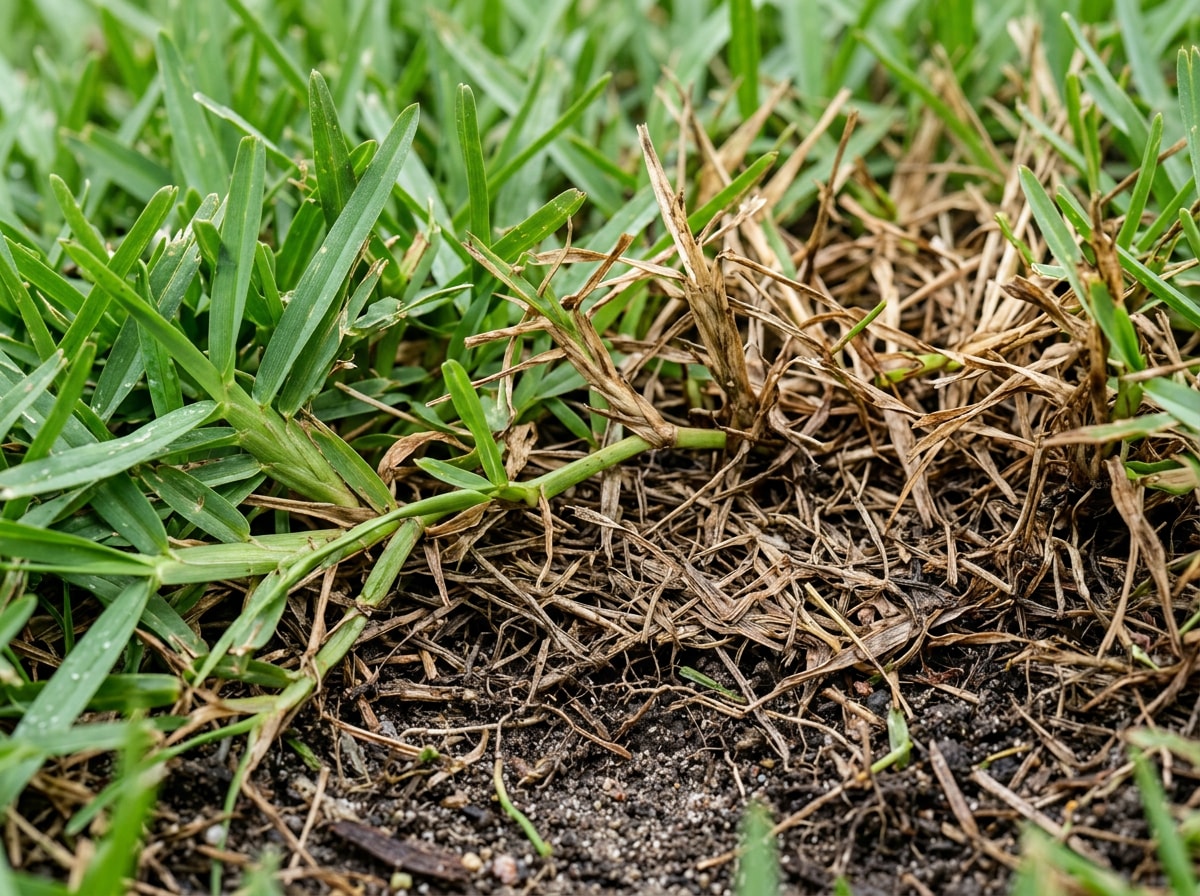
- Chinch bugs:
the southern chinch bug is a major insect pest of St. Augustinegrass and causes yellowish to brownish patches in the turf , usually starting in hot, sunny, dry areas. Watering more does not fix it.
- Grubs:
turf that pulls up easily like loose carpet is a telltale sign, because the roots have been eaten away .
- Disease:
large patch and gray leaf spot are major disease problems, and both can be brought on by excessive watering and nitrogen fertilization .
- Irrigation gap: a dry spot with sharp, straight edges that match a spray pattern is a coverage problem, not a pest.
UF/IFAS publishes photos and management details in its St. Augustinegrass for Florida Lawns fact sheet. Confirm the cause first, then buy the fix.
Irrigation Checks and Leon County Fertilizer Rules
Maintenance customers rarely need a new system. They need the existing one checked.
That means head adjustment, leak and coverage checks, zone testing, timer settings, and run-time changes as day length shifts. Those checks fall under irrigation system maintenance, and a single stuck head can explain a brown zone you were about to treat for insects.
Fertilizer has a compliance side here that most homeowners never hear about. County guidance notes that residents should avoid fertilizing at least one day before heavy rain of over 1 inch in 24 hours as required by ordinance, during warning periods for significant weather events, and for the first 30 days after seeding or sodding, and should maintain a 15-foot fertilizer-free zone around water bodies and wetlands . In North Florida, turf and warm-season perennials should be fertilized April through September .
One screening question worth asking any company you interview: homeowners hiring landscape professionals should verify the landscaper holds the Green Industries Best Management Practice or Limited Urban Fertilizer Applicator certification, since those crews are trained to apply fertilizer in line with local ordinances . Details are on the Leon County fertilizer guidance page.
Watering days and restricted hours change, so confirm current rules with your utility rather than assuming last year's schedule still applies.
Areas We Cover Around Centerville
Our route centers on the Bradfordville Road and Centerville Road area, including Killearn Acres and homes along Roberts Road, Centerville Road and Bradfordville Road.
Nearby northeast Leon County neighborhoods fall inside the same schedule. Check the Centerville, FL service area page to confirm your street, or browse recent projects to see finished work nearby.
FAQ
How much does garden maintenance cost in Centerville, FL?
Plan on roughly $35 to $65 per visit for mowing only on a quarter acre, or about $140 to $280 a month for a full package that folds in beds, hedges and clean-ups. Slope, gate access and tree cover move the number.
How often should a lawn be mowed here?
Every 7 to 10 days during the growing season. Most Centerville homeowners run weekly service from April through October and drop to biweekly in the cooler months, adjusting after heavy rain.
How often should a garden be maintained?
Weekly or biweekly suits large turf areas and active beds. Monthly works for small yards with few plantings. Seasonal service fits mulch-heavy landscapes with few perennials.
What is the difference between garden maintenance and landscaping?
Maintenance is upkeep of what already exists: mowing, pruning, weeding, mulch refresh. Landscaping means designing and installing new layouts, plantings and hardscape. If your yard already has the plants you want, you are shopping for maintenance.
When should hedges be trimmed in North Florida?
Most shrubs take about three trims across the growing season. Avoid hard cutbacks right before a freeze, and prune spring bloomers after they finish flowering so you do not remove next year's buds.
Do I need a contract?
Not usually. Many local plans run month to month with a custom scope. Ask how many mowing visits are guaranteed per year, since a long season means more visits than a northern contract would include.
Is mulch or pine straw better for my beds?
Pine straw for slopes and naturalized beds under pines and oaks. Mulch for flat, formal front beds where color retention matters.
Talk to a Local Crew
This guide was written by the field team at Talquin Landscaping, who mow, prune and mulch properties across Centerville, Killearn Acres and northeast Leon County week in and week out. The fall leaf load on the wooded lots off Roberts Road is the single most underestimated line item we see on competitors' quotes.
Browse all landscaping services or start at the Talquin Landscaping homepage, then request a free estimate and ask us to itemize the scope.